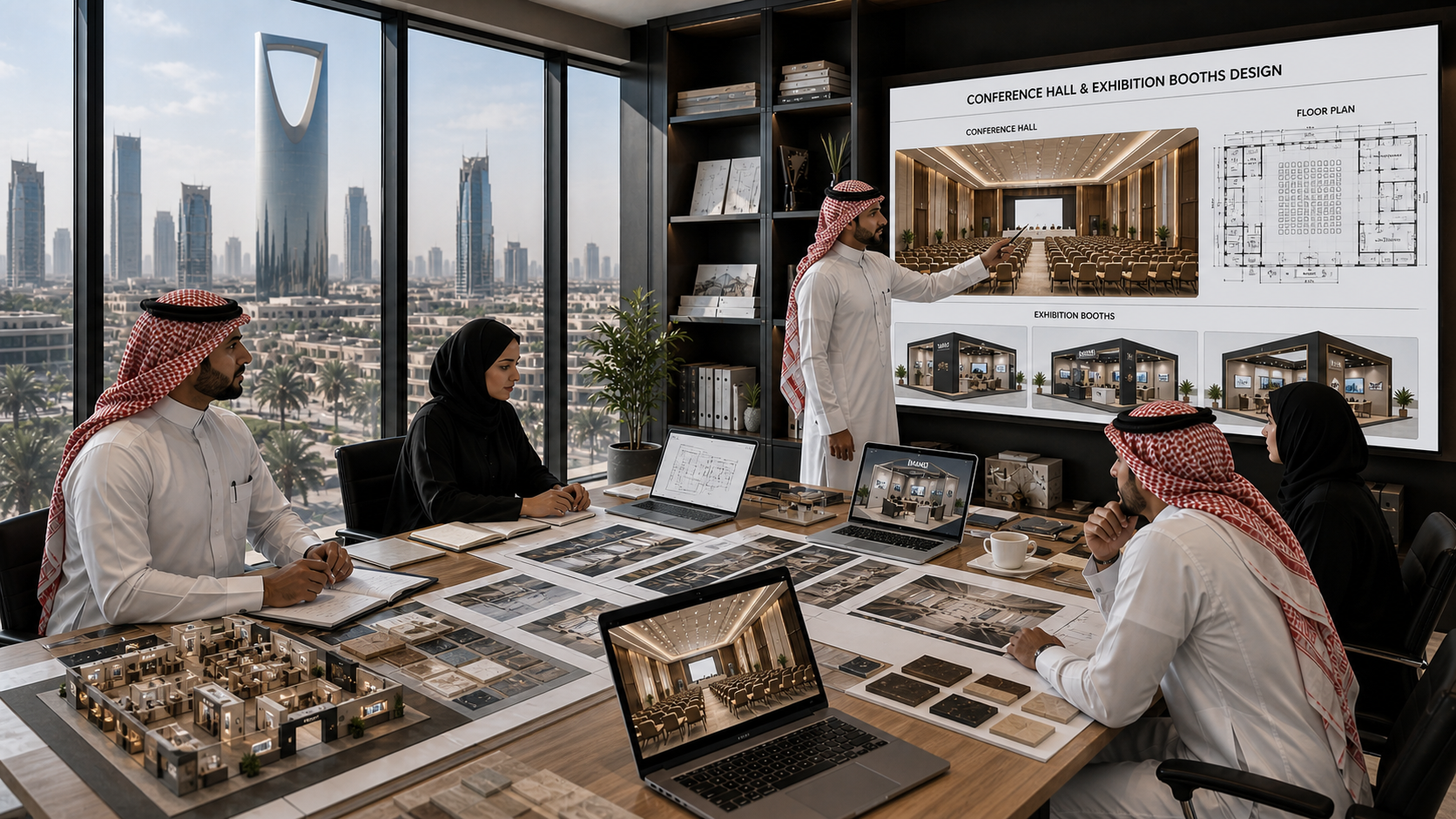
Strong architecture starts with more than drawings. It begins with understanding how space should function, how people will experience it, and how design decisions can support practical, cultural, and commercial goals at the same time. For clients looking for reliable architectural design services in the Kingdom, the right partner should combine creativity, technical understanding, and a clear process that turns ideas into well-considered built environments.
At Bareeq, we approach design as a structured professional service shaped by local context, project objectives, and real implementation needs. Whether the requirement involves concept development, space planning, façade direction, interior coordination, or full project design support, our aim is to create solutions that feel purposeful, balanced, and relevant to Saudi Arabia’s evolving built environment. For clients evaluating an architectural design company Saudi Arabia can trust, quality comes from both vision and execution.
Architectural Design Services for Modern Saudi Projects
Today’s projects demand more than visual appeal. They require design that performs well, supports operational needs, reflects identity, and responds to local regulations, climate, and user expectations. Professional architectural design services should therefore provide more than a concept image. They should guide the project through a coherent design journey that connects aesthetics, function, and delivery.
This includes early concept thinking, layout planning, façade and massing studies, user flow, material consideration, coordination with engineering needs, and support for presentation and approvals. For clients in Saudi Arabia, this integrated approach is especially important because projects often need to balance ambition with practicality, local compliance, and long-term value.
Architectural Design Company Saudi Arabia
Choosing an architectural design company Saudi Arabia should be based on more than style preference alone. The right company should understand how to translate business or residential objectives into spaces that are efficient, attractive, and appropriate for their context.
In the Saudi market, architectural expectations continue to rise across residential, commercial, hospitality, institutional, and mixed-use developments. Clients increasingly want design partners who can think strategically, collaborate effectively, and maintain control over the design direction from concept to documentation. That is why working with an experienced architectural team can make a meaningful difference in project quality and decision-making.
For many projects, the value of a strong design company lies in its ability to align concept ambition with the realities of site, regulations, budget, engineering coordination, and future use.
Architectural Design Consultant in Riyadh
A professional architectural design consultant in Riyadh should bring both design sensitivity and practical guidance. Riyadh continues to experience strong development activity, and project expectations often involve speed, quality, compliance, and a refined response to modern urban needs.
Consulting support in Riyadh may involve concept refinement, design reviews, layout direction, façade studies, authority-related considerations, and coordination with the wider project team. A capable consultant helps the client make stronger design decisions early, reducing confusion later in the process.
This is particularly valuable for clients who want a design partner that understands Riyadh’s development environment, market expectations, and the need for spaces that feel contemporary without losing relevance to local context.
Architectural Design Associates in Riyadh
Working with experienced architectural design associates in Riyadh can strengthen project outcomes because good design is often collaborative by nature. Architecture rarely succeeds in isolation. It benefits from the interaction between architects, engineers, planners, consultants, contractors, and client-side stakeholders.
A professional design team should therefore be able to work clearly across disciplines, communicate design intent effectively, and maintain the integrity of the concept while adapting to technical and regulatory requirements. In this way, architectural design becomes a coordinated process rather than a fragmented one.
That collaboration also supports smoother decision-making during design development and helps projects move from concept stage to implementation with more consistency and fewer avoidable revisions.
Architectural Engineering and Design Management
Successful projects depend not only on design quality, but also on how well that design is managed. architectural engineering and design management plays an essential role in connecting concept intent with technical coordination, engineering needs, project timelines, and implementation logic.
Good design management helps ensure that architectural choices remain aligned with structural, mechanical, electrical, and operational realities. It also supports better communication across project stakeholders. For clients, this means more clarity. For the project itself, it usually means stronger coordination and fewer design-stage conflicts.
This is also where architectural design project management becomes valuable. A disciplined management approach helps track design milestones, organize reviews, align teams, and maintain direction throughout the project lifecycle.
Architectural Design Process and Project Development
Every serious project benefits from a clear architectural design process. Without one, decisions become reactive and the quality of the outcome can weaken. A professional process typically moves through a sequence of stages that help shape the project carefully and logically.
These may include:
- project briefing and requirement analysis
- site review and contextual understanding
- concept development
- schematic design
- design refinement and coordination
- presentation and client review
- authority-related considerations
- technical development and implementation support
Understanding the architectural design process stages helps clients appreciate how strong design evolves. It also reinforces the importance of reviewing decisions at the right time rather than leaving critical issues until later phases.
Even when a client prefers an architectural design simple in expression, simplicity itself still requires discipline, proportion, and thoughtful decision-making to be successful.
Architectural Design Concept Ideas
Early architectural design concept ideas are often where project identity begins. This is the stage where designers explore how the space should feel, perform, and present itself. The concept should not only look appealing. It should also reflect site conditions, user needs, circulation, building purpose, and implementation logic.
A strong concept direction may shape the building mass, façade language, interior relationship, landscape connection, and overall user experience. In Saudi Arabia, concept development also benefits from sensitivity to climate, privacy needs, social patterns, and the desired tone of the project, whether contemporary, institutional, commercial, or residential.
Full-Service Architectural Design Firm in KSA
For many clients, working with a full-service architectural design firm in KSA provides clear advantages. Instead of separating concept work, technical input, design coordination, and presentation support across multiple disconnected providers, a full-service model brings these elements together in a more unified process.
This can include:
- concept and schematic design
- architectural planning and development
- design coordination
- presentation preparation
- authority-oriented support
- consultant collaboration
- project design follow-up
A coordinated approach helps preserve the design intent while making the project easier to manage. It also supports clients who want one accountable team guiding the architectural direction from the early stage onward.
Technology, AI, and Smarter Design Direction
Architecture is also being influenced by new tools and digital workflows. The best software for architectural design can improve efficiency in drafting, modeling, visualization, coordination, and design communication. At the same time, professional value still depends on judgment, creativity, and practical understanding rather than software alone.
Similarly, ai in architectural design is becoming more relevant in selected areas such as idea exploration, visualization support, option testing, and workflow improvement. Used well, these technologies can enhance process efficiency and communication. Used poorly, they can create attractive outputs without real design depth.
The strongest results come when modern tools support professional expertise rather than replace it. This is where architectural masterpieces design principles still matter. Good architecture remains rooted in clarity, function, proportion, context, and thoughtful problem-solving.
Lighting, Environment, and User Experience
Great architecture is not only about walls and form. It is also about atmosphere, usability, and long-term performance. architectural lighting design influences how spaces are perceived, how people move through them, and how the building feels at different times of day. Lighting should support both function and identity.
Likewise, architectural environmental design has become increasingly important in shaping projects that respond better to climate, comfort, and sustainability expectations. In Saudi Arabia, environmental responsiveness may involve solar control, material choices, shading strategies, ventilation thinking, and smarter spatial orientation.
These considerations are especially relevant in a market that is increasingly aligned with development quality, efficiency, and broader future-facing goals.
Presentation, Identity, and Design Communication
Clients also need design to be communicated clearly. A strong architectural design presentation helps stakeholders understand the concept, evaluate the project properly, and make decisions with confidence. Presentation is not a decorative step. It is part of how design intent is shared and approved.
This may include drawings, diagrams, conceptual narratives, visuals, and carefully prepared project material. In some contexts, even elements such as architectural brochure design or a cover page design for architectural portfolio can support how the project or practice is presented professionally to clients, investors, or reviewers.
For educational or knowledge-oriented audiences, themes like fundamentals of architectural design pdf or architectural design courses may also shape how information is organized, although real project work ultimately depends on applied design experience rather than theory alone.
What Is the Architectural Design of Forticlient?
Some search behavior includes questions such as what is the architectural design of forticlient? While that phrase may reflect informational search patterns rather than a direct architectural service need, it also highlights how people often use architecture-related language when trying to understand structured systems, frameworks, or technical configurations. In the context of architectural services, our focus remains on built environment design rather than software architecture.
Why Bareeq for Architectural Design in Saudi Arabia
Bareeq approaches architecture with a balance of creativity, coordination, and practical understanding of local market needs. We recognize that clients need more than concept images. They need a team that can shape ideas clearly, respond to context intelligently, and guide the project through a disciplined design process.
Our work is built around creating spaces that support user needs, project identity, and long-term value. Whether the requirement is residential, commercial, institutional, or mixed-use, our aim is to deliver thoughtful design that feels clear, relevant, and professionally managed. For clients seeking architectural design services near me or a trusted architectural design company Saudi Arabia, that reliability matters.
Conclusion
Strong architecture is the result of clear thinking, structured development, and a design process that respects both ambition and reality. In Saudi Arabia’s evolving project landscape, clients need architectural partners who can balance creativity with professionalism, and concept with execution.
If you are looking for professional architectural design services in Riyadh or across the Kingdom, Bareeq is ready to support your next project with tailored architectural thinking, coordinated design development, and a practical approach built for real outcomes.
- architectural design services
- architectural design consultant in Riyadh
- architectural design company Saudi Arabia
- full-service architectural design firm in KSA
- architectural design project management
FAQ Section
What makes your architectural design company stand out in Saudi Arabia?
Our approach combines design clarity, local relevance, and practical project understanding. We focus on creating spaces that are not only visually strong, but also functional, well-coordinated, and aligned with Saudi market expectations, project goals, and implementation realities.
Do you provide architectural services in Riyadh, Riyadh, and other Saudi cities?
Yes. Architectural services can be supported in Riyadh and across other cities in Saudi Arabia depending on project type, requirements, and scope. The planning and coordination model is adapted based on the project’s location and context.
How do your designs align with Saudi Vision 2030 and sustainability goals?
Design alignment comes through thoughtful planning, efficient space use, environmental responsiveness, quality presentation, and a focus on future-ready built environments. Sustainability considerations can be integrated through material, orientation, shading, comfort, and performance-related design decisions.
Can you handle both residential and commercial architectural projects in Saudi Arabia?
Yes. Architectural support can be structured for residential, commercial, institutional, and mixed-use projects, with the planning and design approach adjusted to suit the function, scale, and audience of each development.
Do you assist with obtaining building permits and approvals in Saudi municipalities?
Design support can include preparation and coordination relevant to authority and approval requirements depending on the project structure and scope. Approval processes vary by municipality and project type, so these are reviewed as part of the planning and coordination phase.
How do you incorporate Saudi culture and heritage into modern architectural designs?
This is achieved by balancing contemporary design language with spatial, material, privacy, and environmental considerations that reflect local identity and cultural relevance. The goal is not imitation, but thoughtful interpretation suited to today’s needs.
What is the typical timeline for completing an architectural design project in Saudi Arabia?
Timelines vary depending on project size, complexity, review cycles, coordination needs, and authority requirements. Smaller projects may move more quickly, while larger or more detailed developments typically require longer design and coordination periods.
Do you collaborate with local contractors and engineers during project execution?
Yes. Collaboration with local engineers, consultants, and contractors is an important part of maintaining design consistency and supporting smoother project execution.
Can clients request customized design solutions that match Saudi climate and lifestyle?
Yes. Customized design is often essential. Good architecture should respond to climate, privacy expectations, functional needs, user behavior, and the intended identity of the project within the Saudi context.
How do you ensure your designs comply with Saudi building codes and regulations?
Compliance is supported through structured design development, consultant coordination, awareness of applicable requirements, and careful review of the project against relevant standards and approval expectations.